



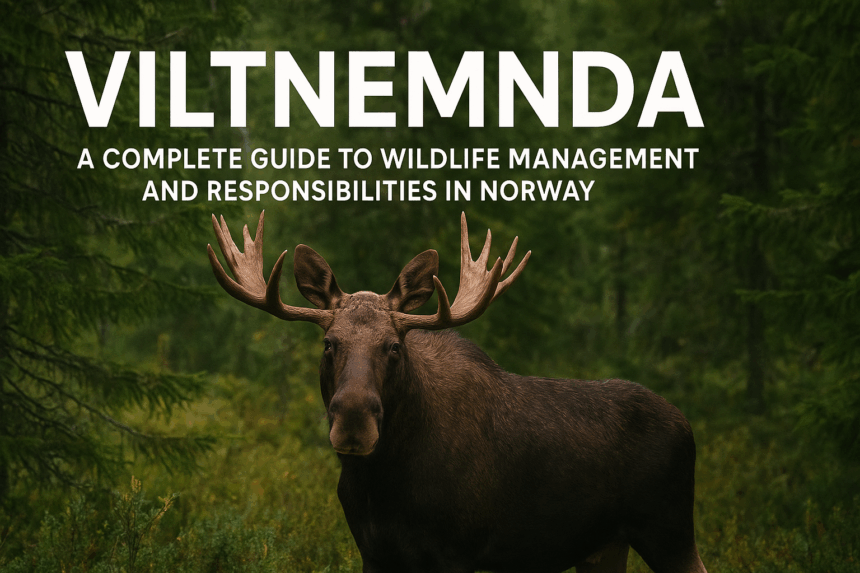
Learn everything about viltnemnda in Norway—its duties, wildlife management role, processes, organization, and how it helps maintain safe coexistence between humans and wildlife.
also read: https://comfortglobalhealths.com/a-2022-evi-teli-paralimpia-megnyito-ceremoniaja/
Introduction
Norway is home to rich wildlife, from moose and deer to protected species that require careful monitoring. As human activities expand, the need for structured wildlife governance becomes more important. This is where viltnemnda plays a crucial role. Viltnemnda is a municipal wildlife committee responsible for managing local wildlife issues, ensuring safety, regulating hunting, and maintaining balance in the ecosystem. Understanding how it works helps citizens appreciate wildlife governance while knowing where to turn when wildlife-related incidents occur. This comprehensive guide explains what viltnemnda is, its responsibilities, decision-making processes, structure, and why it has become an essential part of Norway’s wildlife management system.
What Is Viltnemnda?
Viltnemnda is a municipal committee appointed by the local council to handle wildlife management tasks within a given municipality. It acts as the local authority for wildlife-related decisions, collaborating with police, hunters, landowners, and national agencies. Its purpose is twofold:
- Protect wildlife and maintain ecological balance
- Ensure public safety and efficient response to wildlife incidents
The committee typically consists of individuals with expertise or experience in wildlife, hunting, and public administration. Because wildlife concerns vary from region to region, each municipal viltnemnda adapts its priorities based on local species and environmental needs.
Goals of Viltnemnda
Although each municipality may define additional goals, most viltnemnder focus on:
- Sustainable wildlife population control
- Effective response to traffic-related wildlife accidents
- Minimizing conflict between humans and animals
- Protecting biodiversity
- Ensuring safe and regulated hunting
These goals reflect Norway’s national wildlife management strategy, which emphasizes responsible stewardship of natural resources.
Key Responsibilities of Viltnemnda
Viltnemnda handles a wide range of tasks. Most fall into three main categories: wildlife monitoring, public safety, and regulatory oversight.
1. Wildlife Monitoring & Population Control
Wildlife populations naturally fluctuate, and viltnemnda ensures these changes remain balanced. Their monitoring responsibilities include tracking the populations of moose, deer, and other species, assessing animal health, conducting annual counts before hunting seasons, and recommending quotas. These evaluations help preserve harmony between wildlife and human activities such as farming, forestry, and traffic.
2. Handling Injured or Sick Animals
A major responsibility of viltnemnda is responding to reports of injured animals, sick animals, and animals posing danger to humans. When an animal is found injured, the committee must determine whether it can be saved or if humane euthanasia is necessary. Collaboration with professional wildlife responders and licensed hunters is common in these cases.
3. Managing Wildlife-Related Traffic Accidents
Traffic accidents involving large animals are frequent in Norway. Viltnemnda coordinates response procedures such as tracking injured animals, sending out specialized teams, reporting data to national authorities, and ensuring safe handling of carcasses. Because accidents often occur in remote areas, the committee must act quickly to prevent unnecessary suffering and ensure road safety.
4. Issuing Permits and Regulatory Oversight
Viltnemnda oversees administrative functions such as granting hunting permits, managing damage permits for crops and property, approving special-circumstance wildlife culls, and regulating trapping. These tasks ensure wildlife management is lawful and consistent with national regulations.
How Viltnemnda Works: Structure and Decision-Making
The organization of viltnemnda depends on the size and needs of the municipality. Generally, it includes committee members such as a chairperson, wildlife inspectors, municipal wildlife managers, and administrative staff. Members are chosen based on experience with nature management, hunting, or public service.
Every year, viltnemnda prepares a wildlife management plan, hunting quota recommendations, annual reports, and local action strategies, which are approved by the municipal council.
When wildlife events occur, viltnemnda follows a systematic approach:
- Receive or verify a report
- Evaluate the situation
- Choose necessary action
- Assign trained personnel
- Document and report the outcome
This ensures transparency and consistency.
Why Viltnemnda Is Important for Local Communities
The presence of viltnemnda helps maintain stability between human activities and natural wildlife behaviors. Its impact includes improved public safety by responding to accidents quickly, better wildlife conservation through population monitoring, reduced conflict between humans and animals, sustainable hunting practices, and decision-making tailored to local needs.
Common Services Provided by Viltnemnda
To illustrate the wide range of services, here’s a table outlining common tasks and their purpose:
| Service | Purpose |
|---|---|
| Population counts | Maintain sustainable wildlife levels |
| Accident response | Ensure safety and reduce animal suffering |
| Permit issuance | Regulate hunting and wildlife control |
| Wildlife tracking | Monitor injured or sick animals |
| Habitat reports | Support biodiversity planning |
| Public guidance | Provide information and support to residents |
How Citizens Can Contact Viltnemnda
Most municipalities provide contact details on their official website. Typically, residents contact viltnemnda to report wildlife accidents, injured animals, dangerous wildlife behavior, questions about hunting permits, or concerns around their property. Emergency incidents involving immediate danger should always be reported to the police first, who then coordinate with viltnemnda.
Challenges Facing Viltnemnda Today
Modern wildlife management comes with challenges such as increased traffic volumes causing more animal collisions, climate change affecting animal behavior, urban expansion creating more human-wildlife contact, and stricter species protection laws requiring detailed documentation. Viltnemnda adapts by strengthening cooperation and improving data systems.
FAQs About Viltnemnda
1. Is viltnemnda the same in every municipality?
No. Each municipality adjusts its viltnemnda based on local wildlife conditions.
2. Are viltnemnda members volunteers or paid?
They may receive compensation depending on local policies.
3. Can citizens attend viltnemnda meetings?
Some are open, others are closed due to sensitive topics.
4. How fast is viltnemnda’s accident response?
Usually very fast, depending on distance and severity.
5. Does viltnemnda handle protected species cases?
Yes, but under strict national regulations.
6. Can I ask viltnemnda for wildlife advice?
Yes, most committees offer guidance to residents.
7. Who trains wildlife trackers used by viltnemnda?
Typically certified hunters or wildlife specialists.
8. Does viltnemnda work with environmental groups?
Many do, especially on monitoring projects.
9. Can viltnemnda issue emergency hunting permits?
Yes, when public safety or property damage requires it.
10. Is it mandatory to report wildlife accidents?
Yes, accidents involving large game animals must be reported by law.
Conclusion
Viltnemnda plays an essential role in Norway’s wildlife governance. By monitoring species, responding to accidents, issuing permits, and guiding the public, it ensures ecological balance and community safety. Understanding viltnemnda helps citizens appreciate its importance and know where to turn for wildlife-related issues.