




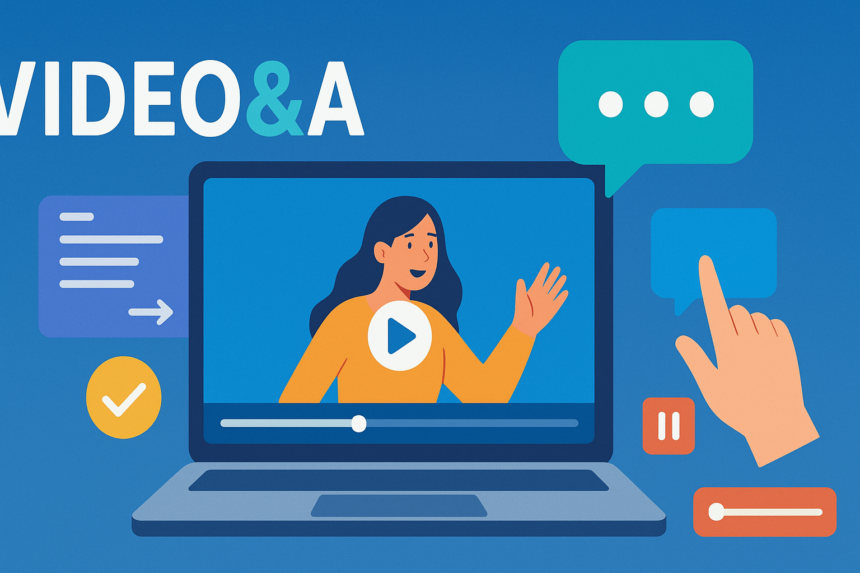
Discover how video&a—the fusion of video and audience interaction—reshapes marketing, education, and digital storytelling. Learn strategies, benefits, use cases, FAQs, and more in this comprehensive guide.
also read: https://www.comfortglobalhealths.com/adsy-pw-hb3/
Introduction
In today’s fast-moving digital landscape, attention is the new currency. Whether you are a marketer, educator, or storyteller, capturing and maintaining audience interest is one of the biggest challenges online. This is where video&a comes in—a rapidly growing approach that merges traditional video with real-time audience interaction to create deeper engagement and stronger results.
Video&a is more than just a trend. It’s a powerful method that transforms passive viewers into active participants. By combining visual storytelling with interactive elements such as quizzes, clickable chapters, polls, branching choices, and real-time feedback, creators can guide users through a more immersive and personalized experience.
This article explores what video&a is, why it matters, how it works, its benefits across different industries, and how you can start using it effectively.
What Is Video&A?
Video&a stands for video and audience interaction, referring to any form of video content designed to allow viewers to engage directly rather than just watch. These interactions can be simple (like reacting or clicking) or advanced (like choosing story outcomes, answering questions, or exploring products).
In traditional video, the viewer plays a completely passive role. With video&a, the audience becomes part of the content. This change leads to stronger emotional connection, better retention, and more meaningful results—especially in areas like marketing, education, sales, and online training.
Why Video&A Is Becoming Essential
The rise of video&a is not accidental. Several factors make it an essential tool for modern digital communication:
1. Declining Attention Spans
Audiences scroll quickly. Interactive video keeps them focused by requiring action.
2. Growing Demand for Personalization
People want content that adapts to their preferences. Video&a responds to viewer choices, creating unique experiences.
3. Improved Learning and Retention
Interactive engagement boosts memory and understanding—ideal for e-learning and training.
4. Higher Conversion Rates
Marketers use video&a to guide potential buyers through product journeys, increasing sales.
5. Expanding Access to Technology
Interactive video tools are becoming easier and more affordable, opening the door for widespread adoption.
Core Features of Video&A
Video&a can include many features depending on the platform being used. Some of the most common include:
Interactive Elements
- Clickable buttons and hotspots
- Branching video paths
- Quizzes or knowledge checks
- Surveys and polls
- Chapter navigation
- Pop-up text or visual cues
These elements help keep viewers engaged and allow creators to deliver more personalized messaging.
Real-Time Audience Feedback
Real-time reactions, comments, or live prompts create a sense of participation and connection.
Analytics & Data Tracking
Video&a tools often track user behavior—such as where viewers click or which choices they make—helping creators understand engagement levels and optimize their content.
How Video&A Enhances User Engagement
Audience engagement is not just a buzzword—it directly impacts the success of any video. With video&a, viewers shift from passive to active, which increases their involvement.
From Watching to Participating
Instead of being spectators, viewers interact with the story. This sense of control boosts emotional involvement.
Encouraging Curiosity
Interactive elements such as hotspots encourage exploration, making users stay longer and consume more content.
Personalized Outcomes
Branching videos let viewers shape the narrative, making the content feel tailored to their interests.
Better Recall
Studies consistently show that interactive learning leads to higher information retention. Viewers remember what they participate in more than what they simply watch.
Applications of Video&A Across Industries
Video&a can be applied almost anywhere. Below are some major sectors where it is making a significant impact.
1. Education and E-Learning
Educators use video&a to transform lessons into interactive experiences. Instead of passively watching a lecture, students respond to embedded questions and explore learning paths at their own pace.
Benefits in Education
- Boosts student engagement
- Enhances comprehension
- Provides immediate feedback
- Supports self-paced learning
2. Marketing and Advertising
Marketers rely on attention—something traditional video often struggles to maintain. Video&a helps brands keep viewers active, curious, and emotionally invested.
Marketing Advantages
- Higher click-through rates
- Stronger brand recall
- Interactive product showcases
- Personalized buying journeys
- Higher conversion rates
Imagine a video where users click to explore product features or choose which demonstration they want to see—that’s the power of video&a.
3. Sales and Product Demos
Sales teams use interactive videos to customize product demos based on what viewers want to learn. For example, clicking on different features leads to mini-demos, making the experience smoother and more effective.
4. Corporate Training
Employee training often suffers from low engagement. Video&a revitalizes training modules by requiring employees to answer questions, make decisions, or practice scenarios.
Training Benefits
- Real-world practice
- Safe decision-making environments
- Progress tracking
- Higher completion rates
5. Entertainment and Storytelling
The entertainment industry is exploring video&a for immersive storytelling. Branching films, interactive music videos, and choose-your-path adventures are gaining popularity.
Comparison: Traditional Video vs. Video&A
| Feature / Benefit | Traditional Video | Video&A |
|---|---|---|
| Viewer role | Passive | Active |
| Engagement level | Moderate | High |
| Personalization | None | Built-in |
| Viewer retention | Lower | Higher |
| Data & analytics depth | Basic views | Detailed click-level insights |
| Best uses | Entertainment | Marketing, learning, storytelling |
How to Start Using Video&A Effectively
Implementing video&a does not require advanced technical knowledge. Below are foundational steps to get you started.
1. Define Your Objective
Before creating content, decide if your goal is education, lead generation, sales, entertainment, or engagement.
2. Choose a Video&A Tool
Select a platform that offers interactivity features like quizzes, clickable hotspots, analytics, and branching logic.
3. Plan Your Story Structure
Interactive videos need a clear flow. Map out the user paths and content segments.
4. Add Interactive Elements Strategically
Interactions should feel natural—not overwhelming. Use them only when they enhance understanding or decision-making.
5. Test on Multiple Devices
Ensure your video&a works on mobile, tablets, and desktops.
6. Track Viewer Data
Use analytics to understand viewer behavior and refine your future content.
SEO Tips for Optimizing Video&A Content
Video&a can boost SEO when optimized correctly. Here are strategies to enhance visibility:
Use Keyword-Rich Titles & Descriptions
Naturally include “video&a” in your metadata and content.
Engage Users Longer
Search engines reward videos that keep viewers engaged—interactive elements help increase this “watch time.”
Use Schema Markup
Video schema improves your chances of appearing in rich search results.
Create Transcripts
Transcripts help search engines understand your content and improve accessibility.
Promote Across Multiple Channels
Sharing increases backlinks and traffic, boosting SEO performance.
FAQs About Video&A
1. Is video&a compatible with mobile devices?
Yes, most interactive video tools are optimized for smartphones and tablets.
2. Does video&a require coding skills?
No, most platforms provide drag-and-drop editors for easy creation.
3. Can video&a be used for live events?
Some tools allow real-time interactive overlays during live streaming.
4. How long should a video&a be for best engagement?
Short to medium videos (3–8 minutes) tend to perform best, though it depends on the content.
5. Can I track individual user responses?
Yes, many platforms offer detailed analytics including clicks, choices, and completion rates.
6. Is video&a expensive to create?
Costs vary, but many affordable tools make it accessible for individuals and small businesses.
7. Which industries benefit most from video&a?
Education, marketing, entertainment, and corporate training see the most impact.
8. Can video&a improve customer support?
Yes, interactive tutorials and troubleshooting videos reduce support requests.
9. Does video&a work on social media platforms?
Some platforms support basic interactivity, while advanced features may require embedded players.
10. What file formats can video&a be exported in?
Most tools export in MP4 with interactive overlays, or use web-based interactive players.
Conclusion
Video&a represents a powerful evolution in digital communication. By blending video with audience interaction, creators can deliver experiences that are more engaging, personalized, and effective. Whether you’re a teacher improving student learning, a marketer increasing conversions, or a storyteller experimenting with new formats, video&a opens the door to deeper involvement and stronger results. As technology advances, interactive video will continue shaping the future of how we learn, shop, and connect online.